

Yes, you can give Zakat through a masjid if it distributes the funds to eligible Zakat recipients. However, giving Zakat through a mosque is different from using Zakat to pay for mosque construction, maintenance, or general expenses.
The Qur’an identifies specific categories of people who are eligible to receive Zakat. Understanding these rules can help you make sure your Zakat reaches the right recipients.
How Can a Masjid Receive and Distribute Zakat?
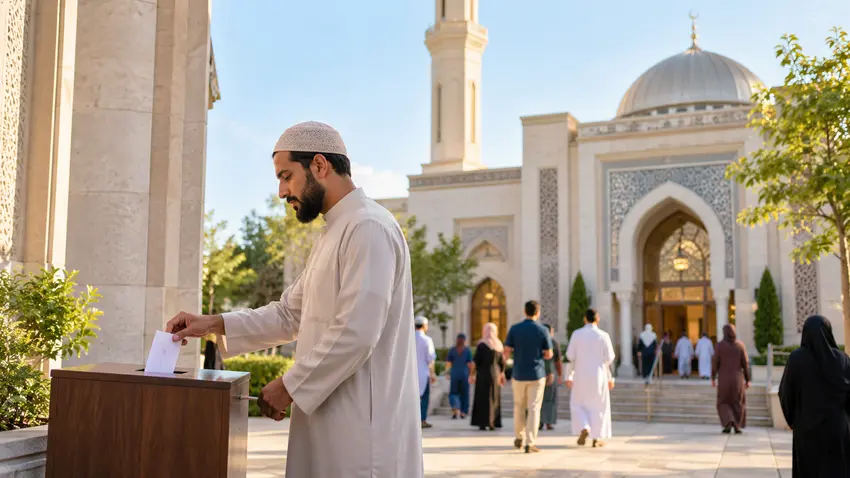
A masjid can collect Zakat on behalf of eligible recipients and distribute the funds according to Islamic guidelines.
For example:
Donor → Masjid Zakat Fund → Eligible Recipient
In this arrangement, the masjid serves as a channel for distributing Zakat rather than using the money for its general operating expenses.
This is why it is important to check whether a mosque has a dedicated Zakat fund and how those funds are distributed.
Who Is Eligible to Receive Zakat According to the Qur’an?
Allah identifies the categories of Zakat recipients in Surah At-Tawbah (9:60).
The eight categories are:
- Al-Fuqara — the poor
- Al-Masakin — the needy
- Al-Amilin — those appointed to administer Zakat
- Al-Mu’allafati Qulubuhum — those whose hearts are to be reconciled
- Ar-Riqab — freeing those in bondage
- Al-Gharimin — qualifying debtors
- Fi Sabilillah — in the cause/path of Allah
- Ibn al-Sabil — a stranded or needy traveler
These categories are the foundation for determining who can receive Zakat.
Can Zakat Be Used to Build a Mosque?
According to the traditional interpretation held by the major Sunni schools of Islamic jurisprudence, Zakat is generally not used directly to construct a mosque.
One important reason is that classical Zakat rules generally require the funds to be directed according to the eligible categories mentioned in Qur’an 9:60, rather than simply being spent on a building.
What About Fi Sabilillah?
There are different scholarly interpretations of Fi Sabilillah (“in the cause of Allah”).
Classical jurists generally interpreted this category more narrowly. Some contemporary scholars and Islamic organizations apply it more broadly to certain activities serving Islam and Muslim communities.
Under the traditional view, Zakat should not be used for mosque construction. If in doubt, consult a qualified Islamic scholar.
Can Zakat Be Used for Mosque Maintenance and Expenses?
Under the traditional view, Zakat is generally not used for ordinary mosque expenses such as:
- Building repairs
- Electricity and utilities
- Cleaning
- Carpets and furniture
- Renovations
- Routine maintenance
These expenses support the mosque itself rather than directly giving Zakat to an eligible recipient.
General donations and voluntary Sadaqah can instead be used to support many of these mosque needs.
Can a Masjid Collect and Distribute Zakat?
Yes. A masjid can serve as a trusted channel for collecting and distributing Zakat to eligible recipients.
For example, a mosque may maintain a dedicated Zakat fund and use it to help qualifying poor or needy individuals.
Before donating, ask the masjid:
- Does it maintain a dedicated Zakat fund?
- Who receives the Zakat?
- How does it determine eligibility?
- Is Zakat kept separate from general mosque donations?
This helps ensure your Zakat is used for its intended purpose.
Can Zakat Be Given to an Imam or Masjid Employee?
Being an Imam or mosque employee does not automatically make someone eligible for Zakat.
An Imam, teacher, caretaker, or other employee may receive Zakat if that individual independently qualifies under an eligible Zakat category.
Their regular salary for working at the mosque and their personal eligibility for Zakat are separate matters.
Zakat vs Sadaqah for Supporting a Masjid
It is important to distinguish between Zakat and Sadaqah when supporting a mosque.
Zakat
Zakat is an obligatory form of charity. Its distribution is governed by specific Islamic rules, including the categories mentioned in Qur’an 9:60.
Sadaqah
Sadaqah is voluntary charity and generally has broader permitted uses. Muslims can give Sadaqah to support beneficial causes, including many mosque needs.
Sadaqah Jariyah
Sadaqah Jariyah means continuing charity—a charitable act whose benefit continues over time.
Projects that provide lasting benefit to people can fall within discussions of Sadaqah Jariyah.
Can You Give Sadaqah for Building a Masjid?
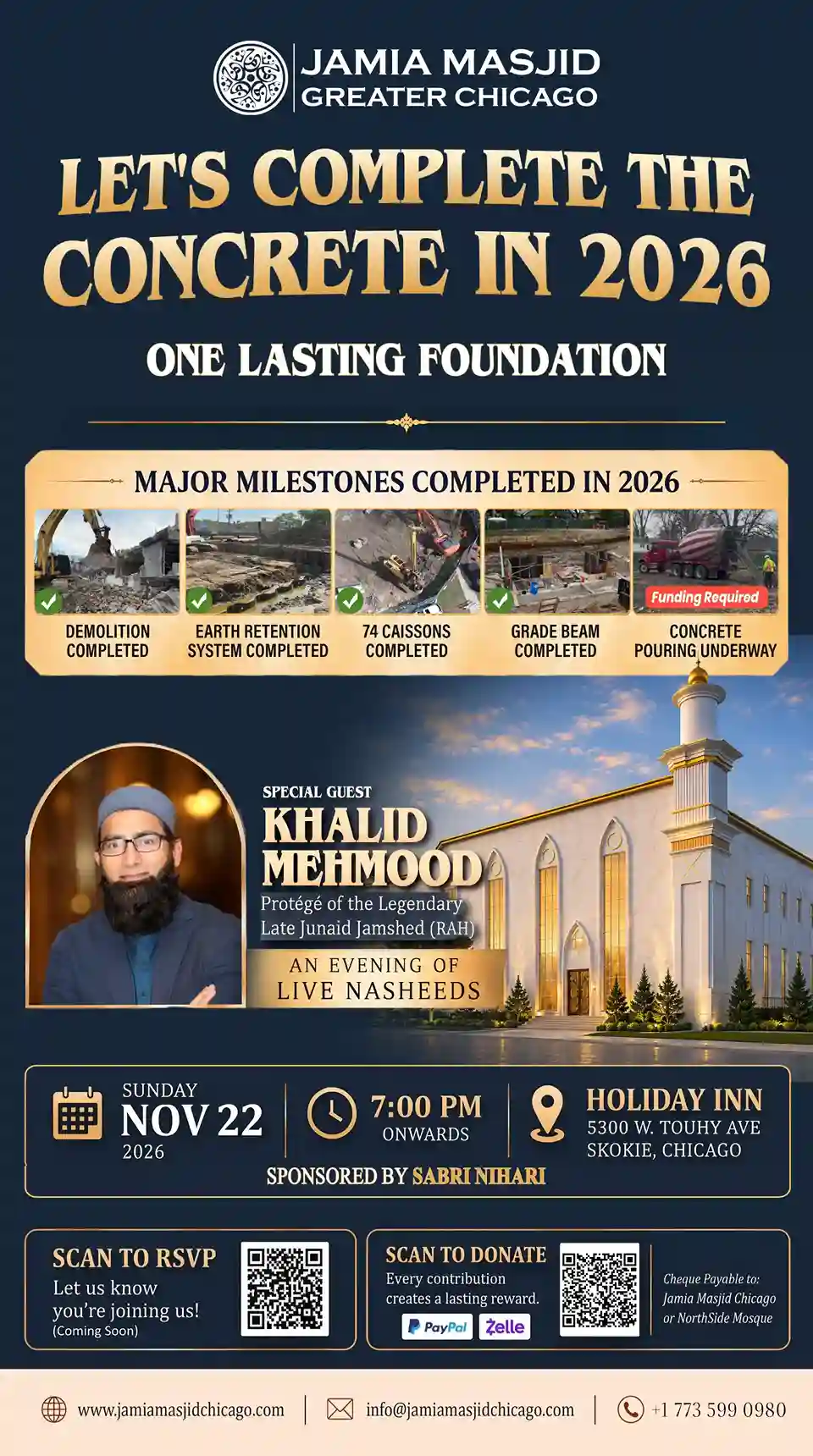
Yes. Sadaqah can be given to help build and support a masjid. Sadaqah is voluntary charity and can be used for mosque construction and other mosque needs.
These donations can help fund:
- Mosque construction
- Expansion and renovation
- Prayer facilities
- Educational spaces
- Community facilities
- Other mosque needs
Giving Sadaqah toward building a masjid is a charitable act and a way to support the Muslim community. An IslamQA discussion on giving charity to build a mosque also explains that helping to build mosques is a virtuous act and that there is nothing wrong with seeking charity for mosque construction, provided people are not pressured or embarrassed into giving.
Donations should be given freely and willingly.
What to Check Before Giving Zakat Through a Masjid
Before making a Zakat donation through a mosque, confirm where the money will go.
Check whether the masjid has a dedicated Zakat fund and whether your donation will be distributed to people who qualify for Zakat.
If you are unsure whether a particular use qualifies—especially where scholars have different interpretations—consult a knowledgeable and qualified Islamic scholar.
Giving Zakat to a Masjid: The Key Distinction
The most important distinction is between giving Zakat through a masjid and using Zakat for the masjid itself.
A mosque can collect Zakat and distribute it to eligible recipients. Using Zakat directly for mosque construction, maintenance, or general expenses is treated differently under traditional Islamic jurisprudence, while some contemporary interpretations differ on certain uses.
The foundation remains the eight categories of Zakat recipients mentioned in Surah At-Tawbah 9:60.
If your goal is specifically to support mosque construction or general mosque needs, Sadaqah and other voluntary donations can provide an appropriate way to contribute while keeping your Zakat obligation distinct.